Unified API
From fragmentation to flow
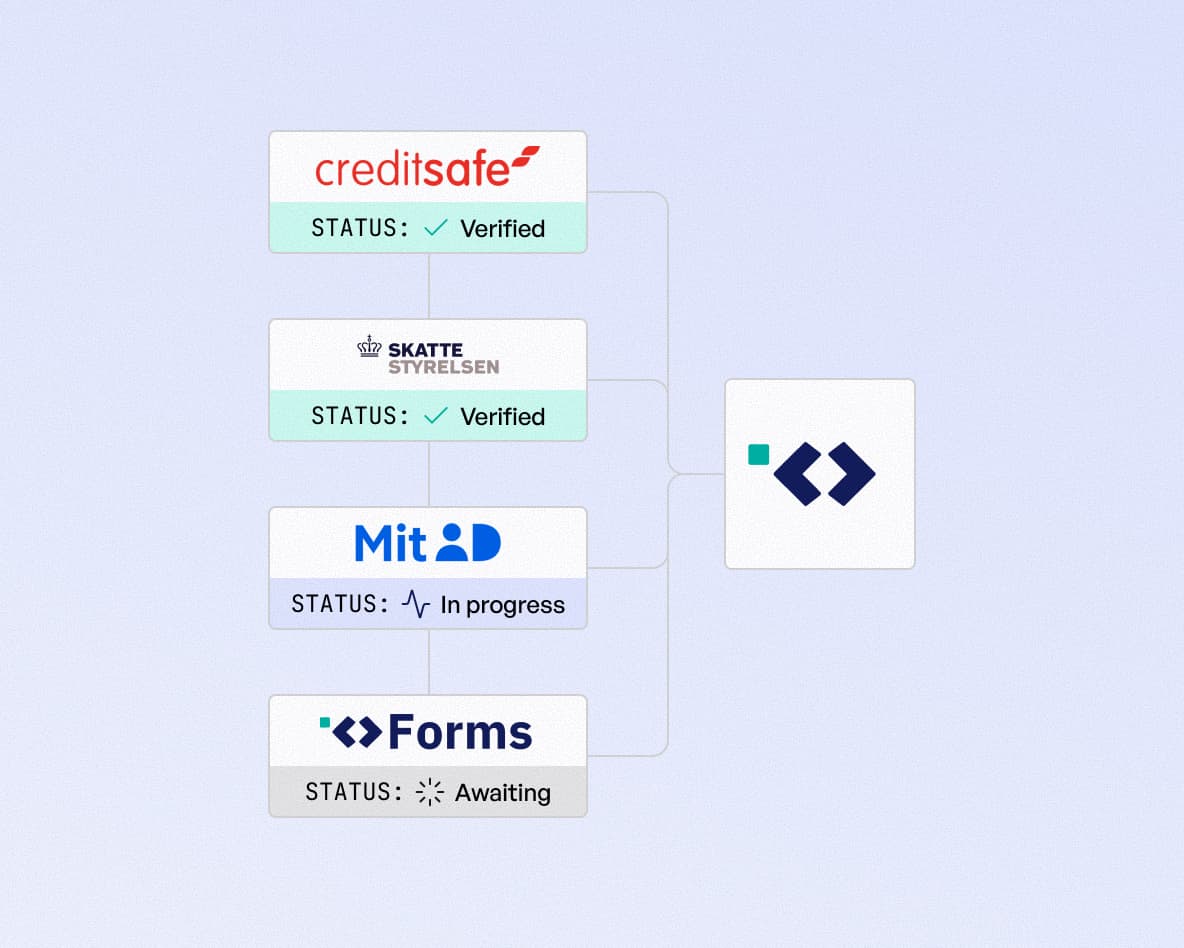
Uniify API is the backbone of modern financial onboarding. We’ve abstracted the complexity of multiple data providers into a streamlined interface. Securely absorb verified identity documents, credit scores, and bank data directly into your existing workflow.












85%
Time saved on customer onboarding
40%
Cost reduction with a unified api
50%
Lower operational cost
One API to rule your onboarding

Streamlined data integration
Connect once and instantly access different data sources, without the trouble of managing multiple and inconsistent APIs

Data that speaks one language
Ensure total consistency across every market with a unified structure that makes retrieving and using data across various regions effortless.

Built to stay built
Remove the burden of constant maintenance and let our unified infrastructure handle the updates, so your developers don't have to.
Seamless integration, maximum efficiency
Experience the clarity of a truly unified stack where fragmented data becomes actionable intelligence, giving your team the speed to innovate and the confidence to scale.
Simplified access, maximised savings

1
One service with infinite access
Integrate with one service and access unlimited data sources, eliminating the need for multiple integrations and reducing complexity.
2
Standardized for speed
Scale globally without the headache of fragmented cross-regional data, thanks to a unified format that ensures total consistency.
3
Future-proof your budget
Enter new markets without writing a single new line of code. Thanks to our API solution, you can build it once, scale it everywhere, and keep your budget intact.
Frequently asked. Answered
What is a Unified API?
How do I access the Unified API?
What are the benefits of a unified API?

Onboarding infrastructure for financial institutions